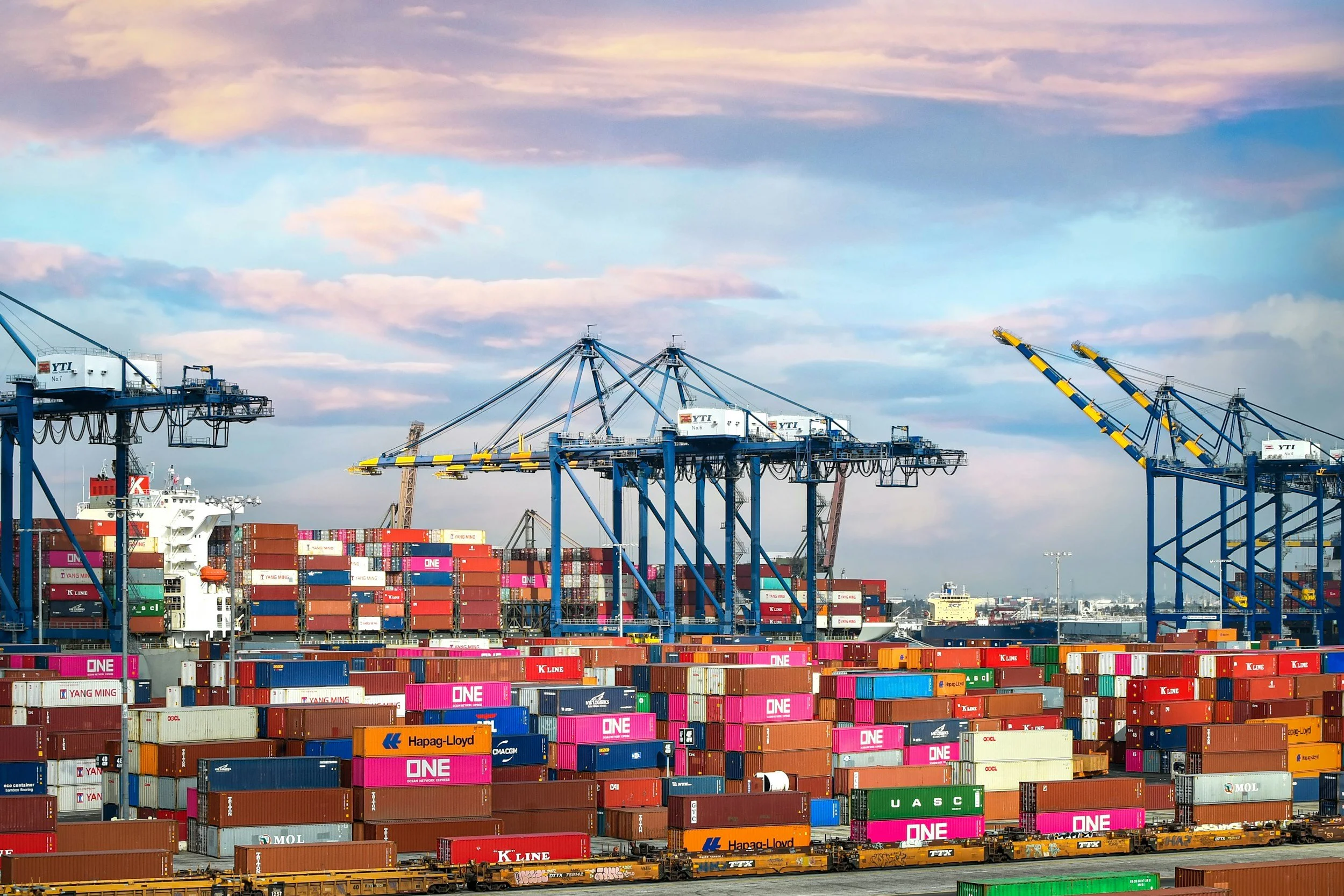
Strengthening security in Logistics
Security that keeps goods moving
We help logistics businesses reduce loss, delay and avoidable disruption by improving the behaviours, decisions and control points that sit behind transport security.
In logistics, serious incidents often grow out of small failures that become normal. Weak handovers, rushed loading, route deviation, poor seal discipline, inconsistent subcontractor standards, and limited visibility across hubs or depots can all create exposure long before a theft or disruption is noticed.
Omnio helps logistics operators understand where risk enters the system, from yards and cross-docks to high-value routes and cross-border transitions. We look beyond hardware and policy to the patterns of behaviour that shape outcomes: how instructions are interpreted, where accountability softens, how exceptions are handled, and what teams do under delivery pressure.
The aim is practical resilience. We help clients tighten the everyday routines that reduce leakage, improve reporting and protect service continuity, without slowing the operation into bureaucratic paralysis.
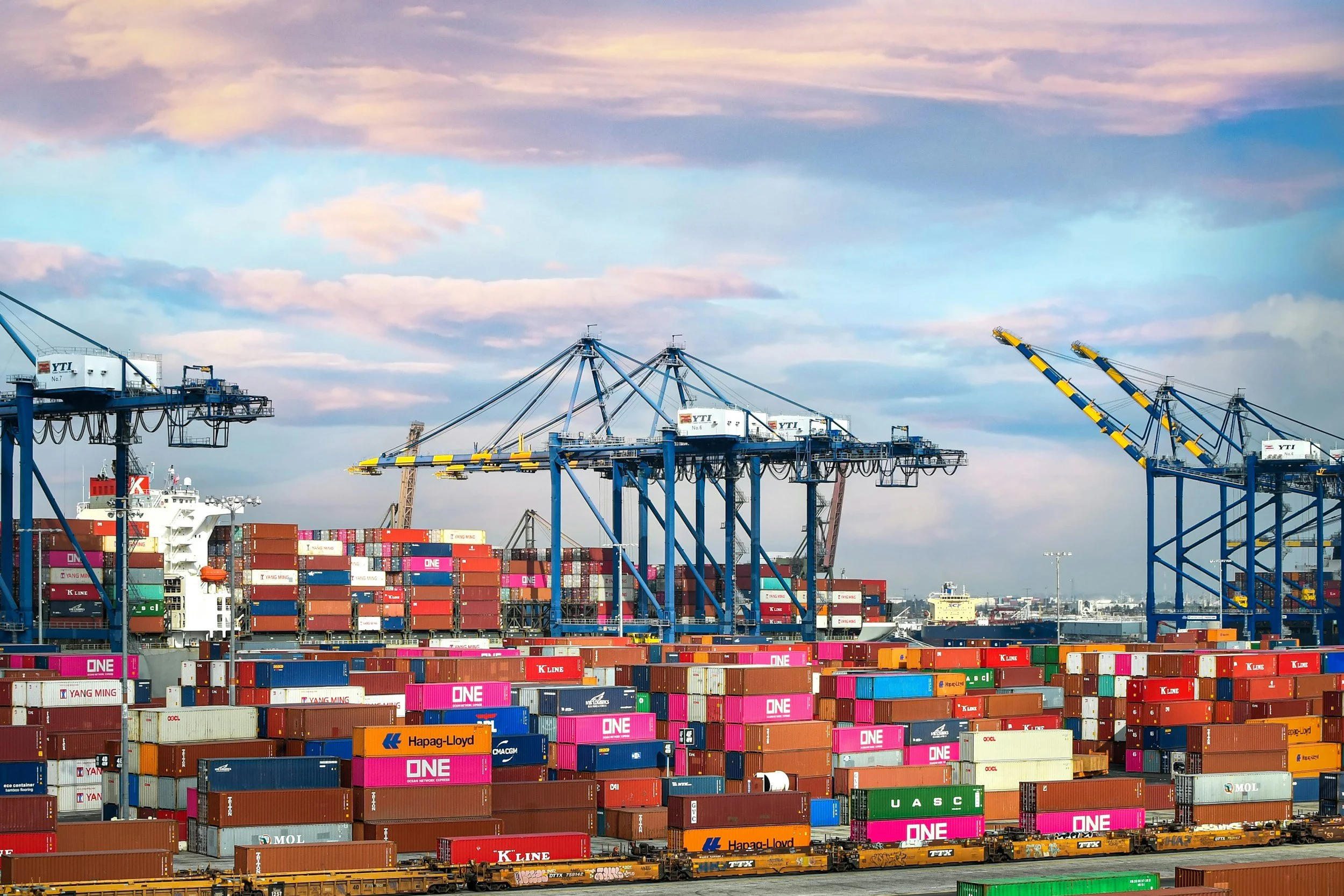
A team of experts who understand Logistics
At Omnio, our leadership team brings many years of experience in supporting companies across some of the world’s most challenging environments. We specialise in helping decision-makers build resilience, secure their assets, and unlock opportunities in challenging markets.
For executives managing multi-country portfolios, the right partner can make the difference between disruption and growth. By working with Omnio, you gain not only insight but also actionable strategies tailored to your operational realities.
Choose Omnio Consulting to help you navigate risk with confidence.
Real examples of Logistic security risks
Cargo theft, tampering or diversion on high-risk routes or at transfer points
Inconsistent standards across subcontractors, owner-drivers and temporary transport partners
Weak yard, warehouse or cross-dock handover discipline leading to loss, error or delay
Poor escalation when unusual activity, late changes or route exceptions occur